Digital loyalty card examples for your business
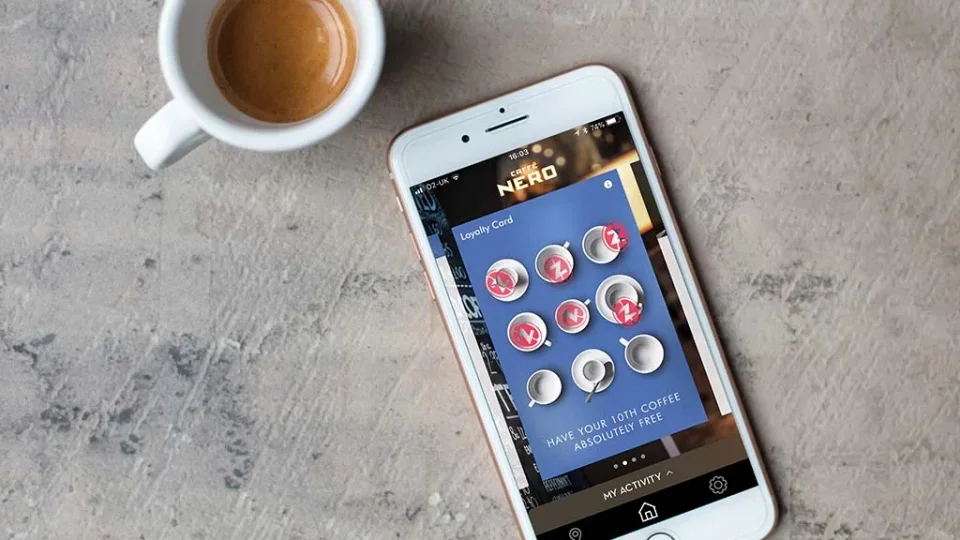
A useful digital loyalty card starts with an offer customers can explain: what earns progress, what the reward includes and how to redeem it. Cafés may suit stamps, salons may need spend-based points, and barbers may prefer visit rewards. Apple Wallet and Google Wallet hold the card; the offer determines its value.
The examples below are illustrative programme designs, not customer results or promises of a particular return. Use them to compare mechanics and write your own rules.
Compare the examples
| Business | Illustrative structure | Customer-facing promise | Decision the owner must make |
|---|---|---|---|
| Coffee shop | Eight qualifying drink purchases | Earn a selected drink after completing the card | Which drinks, sizes and extras qualify? |
| Hair salon | Points on eligible spend | Build a balance towards a defined reward | Do services and retail products earn at the same rate? |
| Barber | Stamps on qualifying haircuts | Earn a named grooming add-on | Does every haircut qualify, including discounted visits? |
| Boutique | Future-use store credit | Earn credit on eligible purchases | How do refunds, exclusions and minimum spend work? |
| Beauty business | Prepaid visit pass | Buy a defined package of appointments | Which services and booking conditions are included? |
Coffee shop: a digital stamp card
An illustrative offer: “Buy eight eligible drinks and get one regular hot drink on us.”
The strength is the visible finish line. The customer can see progress without calculating a points conversion. The weakness is that every stamp may represent a different purchase value unless you define eligibility carefully.
| Programme detail | Example rule |
|---|---|
| Earning | One stamp for each paid, eligible hot drink |
| Threshold | Eight stamps |
| Reward | One regular hot drink from the listed selection |
| Extras | Alternative milk, extra shots and size upgrades follow the published terms |
| Group orders | One stamp per qualifying drink, rather than one per transaction |
| Redemption | Staff record the reward before starting the next earning cycle |
Make the main rule readable on the card and put the full exclusions where customers can find them before joining. Do not hide a “regular size only” restriction until redemption.
The operational test is a busy order: two drinks, a cake and a customer with a completed card. Staff should know both what to award and what to redeem.
For business-specific context, see digital loyalty for cafés and restaurants.
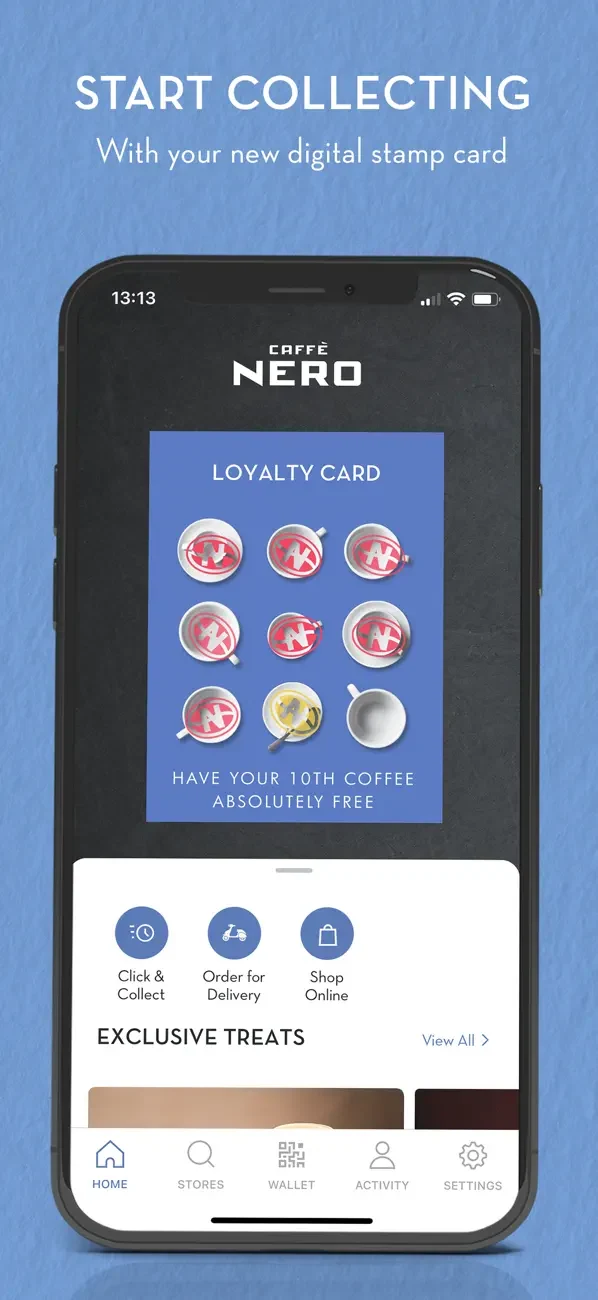
Caffè Nero: a recognisable digital stamp card
Nero’s official screenshot keeps a familiar stamp-card mechanic visible. The format is a useful reference; its coffee rules are not a default offer for every business.
Source: Caffè Nero programme · Official app screenshots.
Salon: points across a varied price list
A salon customer might buy a low-cost trim, a longer colour appointment or a retail product. Giving each purchase one stamp can make different spending levels feel identical.
An illustrative offer: earn one point per eligible £1, with 100 points worth £5 against selected rewards. That is a proposed 5% redemption value on qualifying spend, not a MSTRMND default or a recommended rate for every salon.
At those example rates, a £60 eligible service earns 60 points, representing £3 of eventual reward value. The customer cannot necessarily redeem that value immediately; your threshold and exclusions still apply.
Define how discounts, refunds and mixed product-and-service transactions affect earning. Decide whether points can reduce the price of a main service or only unlock named benefits. A free add-on and a cash discount can have very different delivery costs.
See salon loyalty cards and the programme types comparison.
Barber: reward the repeat booking
An illustrative offer: “Complete five qualifying haircut visits and receive a named grooming add-on at your next eligible appointment.”
This can recognise regular attendance without making every haircut cheaper. The reward still needs to be specific. “VIP treatment” is difficult to cost, redeem or explain consistently; a clearly described add-on is easier.
Check the appointment impact as well as product cost. A benefit that adds ten minutes during your busiest period uses capacity you could otherwise sell. Decide whether the reward has booking restrictions, and explain them upfront.
The card should identify the business, show progress and make the next action obvious. A customer should not need to ask how many visits remain.
Explore the barbershop loyalty guide.
Retail: credit for a future purchase
An illustrative offer: earn £2 of store credit for every £50 of qualifying spend, usable against a later eligible purchase. That is a 4% proposed earning rate on qualifying spending.
Future-use credit gives the customer a reason to consider a return visit. It also creates an obligation the business must track. Decide when credit becomes usable, how returns affect it, and whether it combines with sale pricing.
Describe this as store credit if customers cannot withdraw it as cash. “Cashback” without an explanation can create the wrong expectation.
Prepaid pass: sell a defined package
A prepaid pass records visits the customer has already purchased. For example, a beauty business could offer a package of four named appointments, with each redemption reducing the remaining allowance.
This is different from earning a free reward after four paid visits. The customer is paying for the package upfront. The pass needs clear service definitions, booking arrangements, validity and cancellation terms.
Compare a prepaid pass with a recurring membership in the card types guide.
The same programme can explain additional offers
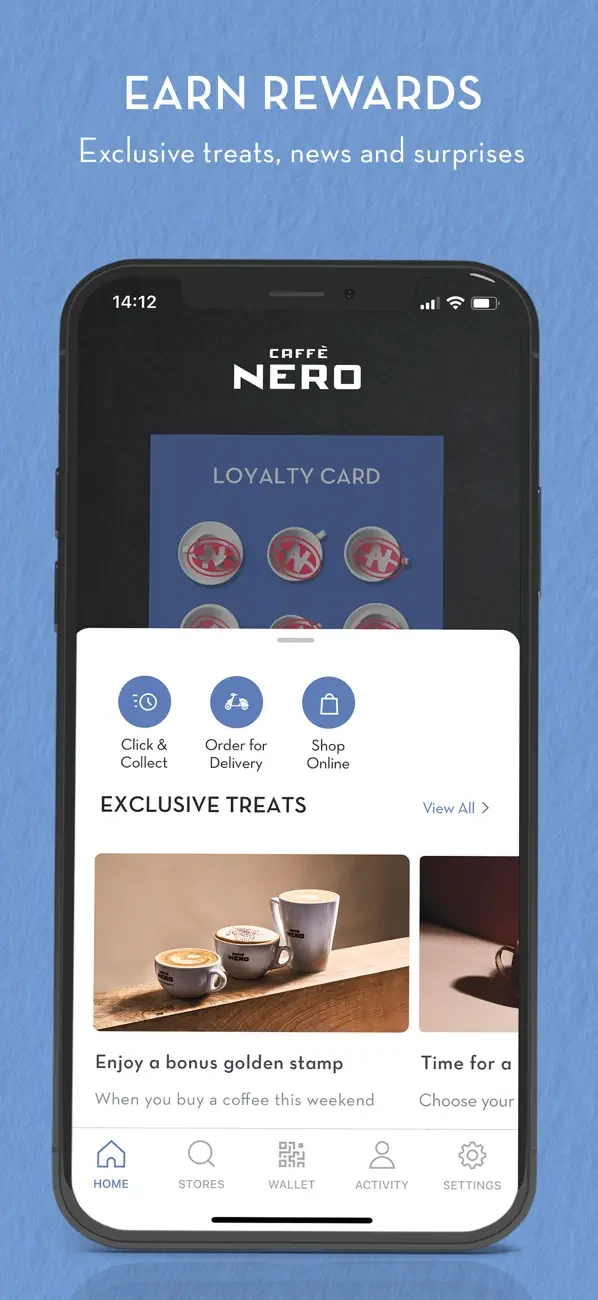
Nero’s published offers screen shows another part of its programme. Distinguish the core earning rule from optional promotions when designing your own experience.
Source: Caffè Nero programme · Official app screenshots.
Turn an example into your own offer
Write five lines before designing the card:
- Customers earn progress when they complete this qualifying action.
- They receive this specific reward at this threshold.
- These exclusions and timing rules apply.
- Staff record earning and redemption using this process.
- We will review participation, returns and costs after this period.
Pro tip. Test the wording on an occasional customer, not just your most enthusiastic regular. The offer needs to be understandable before someone already trusts the business.
Frequently asked questions
What is the best loyalty card for a coffee shop?
A stamp card is worth testing when qualifying purchases are frequent and similarly priced. Define the drink selection and group-order rules rather than copying another café’s threshold.
Should a salon use points or stamps?
Compare the service menu. Points can reflect different spending amounts; stamps can simplify a clearly defined repeat service. Neither structure solves unclear reward rules.
Do I need to give away a free main service?
No. A defined add-on, product or future-use credit may be a better fit. Check customer appeal and the true cost of delivering it.
Are these real MSTRMND customer results?
No. These are illustrative programme ideas. They show how to think through an offer, not what a named customer achieved.
Can I put the same offer in both wallets?
MSTRMND supports Apple Wallet and Google Wallet cards. Keep the underlying programme rules consistent while checking each platform’s card display and installation journey.
What is the most successful loyalty programme?
There is no useful universal winner without defining success. For your business, compare qualified repeat visits, contribution, participation and programme costs over an appropriate period.
Can I copy a well-known brand’s scheme?
Use it to understand a mechanic, not as evidence that its economics suit your business. Your purchasing cycle, margins, staff capacity and customer expectations are different.
Build an offer around your business
Book a card walkthrough or use the reward selection guide to compare the options first.