Apple Wallet loyalty cards for small businesses
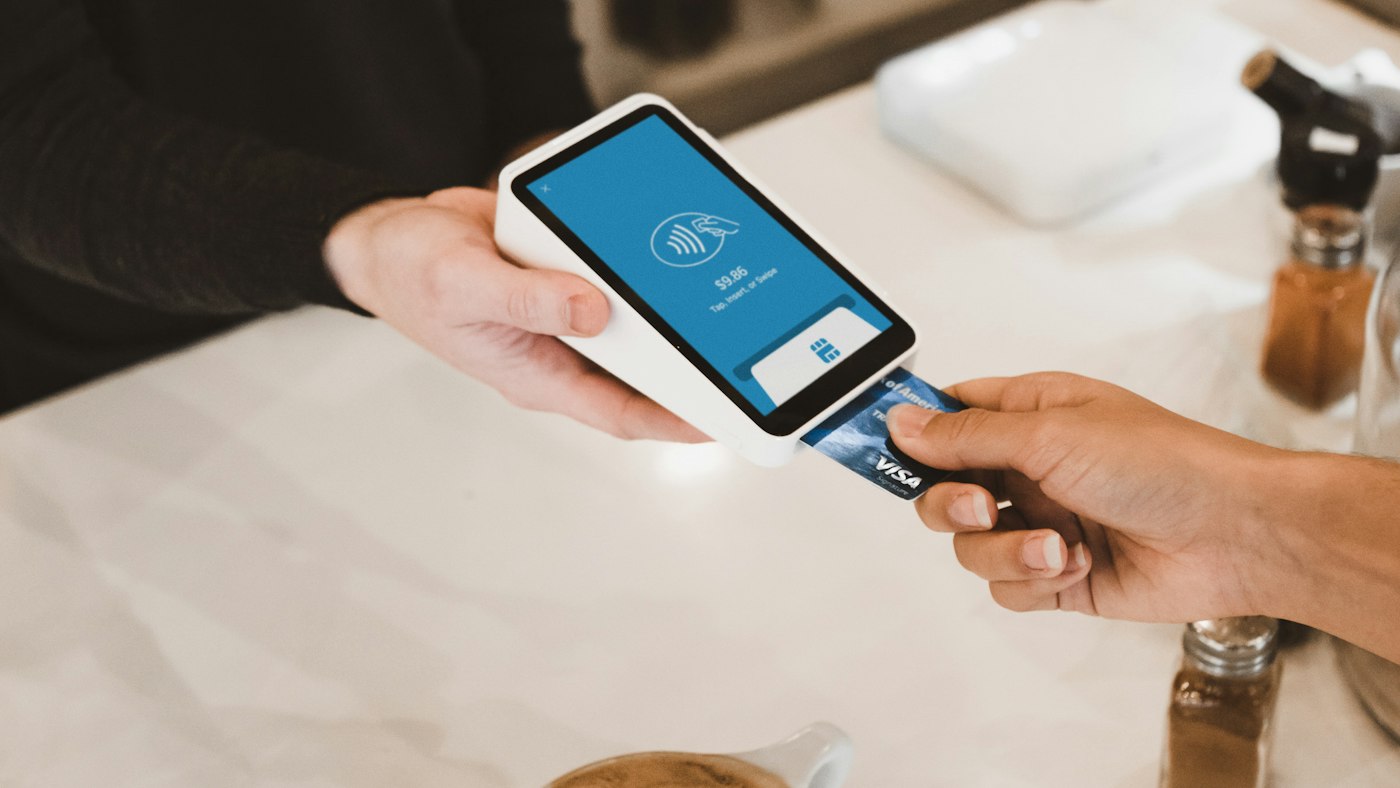
An Apple Wallet loyalty card is a pass file (.pkpass) that a customer adds to the Wallet app already on their iPhone. There is nothing to download and no account to create. The business updates the card remotely, with a new stamp balance or a new offer, and can send a notification that appears on the lock screen. MSTRMND issues Apple Wallet and Google Wallet cards on the same account from £31/month.
Is the wallet actually on your customers' phones?
Mostly, yes, and increasingly so. UK Finance's UK Payment Markets 2025 reports that 65% of UK adults were registered for at least one mobile payment service in 2025, up from 57% the year before.
The age split is the part worth planning around:
| Age group | Registered for a mobile payment service |
|---|---|
| 25–34 | 89% |
| All UK adults | 65% |
| Over 65 | 29% |
If your customer base skews older, as with an optician's or some clinics, keep a non-digital route open. If it skews 25–45, the wallet is already the default.
Why an Apple Wallet loyalty card beats a branded app
The honest reason is install friction. A branded loyalty app asks a customer to visit an app store, download, create an account, and remember it exists. A wallet pass asks them to scan a QR and tap "Add". The gap between those two conversion rates is the whole argument.
| Branded app | Wallet pass | Paper card | |
|---|---|---|---|
| Customer must install | Yes | No | No |
| Works on iPhone and Android | Two builds | Yes, one card | Yes |
| Lock-screen notifications | Yes | Yes | No |
| Location-triggered reminders | Yes | Yes | No |
| Business knows who lapsed | Yes | Yes | No |
| Realistic cost for a single-site SMB | £10k+ to build | From £31/mo | Printing only |
| Better if | You have a genuine daily-use product | You want reach without friction | You have under 30 regulars |
What "updating the card remotely" actually means
This is the part that surprises people. A wallet pass is not a static image. Once it's on the phone, the business can change what it says: the stamp count, the reward status, the offer on the back. The customer doesn't refresh anything. The card just changes.
That is also the notification channel. A push tied to a wallet pass shows up without an app, and it costs nothing per send. On MSTRMND, push is unlimited on every plan.
Location triggers
An Apple Wallet pass can carry locations, so the card surfaces on the lock screen when the customer is near the shop. This is the single most under-used feature in small-business loyalty: it converts "I keep meaning to go back" into a visit at the exact moment the person is fifty metres away. On MSTRMND, geo-push is available at up to five locations from the Grow plan (£69/month annual).
What you need before you start
- A reward the maths survives. Work out the margin on the free item and how many paid visits fund it.
- A scan point at the till. Staff scan the customer's card; the scanner app is included on every MSTRMND plan.
- A way to hand out the card. A QR on the counter, on the receipt, or on the door. This is the whole acquisition funnel, so treat it as such.
- One person who owns it. Programmes die when nobody's job it is.
Pro tip. Use the location field. A pass that surfaces on the lock screen when somebody is fifty metres away is the most under-used feature in small business loyalty, and it turns "I keep meaning to go back" into a visit.
Apple Wallet and Google Wallet together
A large share of any UK customer base carries an Android phone, so an Apple-only programme reaches only part of your customers. MSTRMND issues both from one card design and one dashboard, so there is no second setup and no second reporting view.
Pro tip. Check the age profile of your customers before you go wallet-only. Registration for mobile payment services runs at 89% among 25 to 34 year olds and 29% among the over-65s. For an optician or a clinic, that gap is your whole customer base.
Frequently asked questions
Do I need an Apple Developer account?
No. MSTRMND issues the pass; you do not touch certificates or provisioning.
Can I brand the card?
Yes, logo, colours, the fields on the front and back, and the reward wording.
Will customers get notifications if they turn them off?
No. Wallet notifications follow the phone's normal permissions, which is also why they are trusted enough to still get read.
Do enough customers use mobile wallets to make this worthwhile?
65% of UK adults were registered for at least one mobile payment service in 2025, rising to 89% of 25–34-year-olds and falling to 29% of over-65s (UK Finance).
Does it work for something other than stamps?
Yes. The same wallet mechanism carries points, cashback, discount, coupon, gift, membership, prepaid and multipass cards.
Sources
- UK Finance, UK Payment Markets 2025. Press release (ukfinance.org.uk)