What loyalty programme works for a beauty salon?
A beauty salon loyalty programme works best on cashback, because treatments range from a £20 wax to a £120 facial and a stamp rewards them the same. The card lives in the phone wallet, records every visit, and flags the regular who has gone quiet.
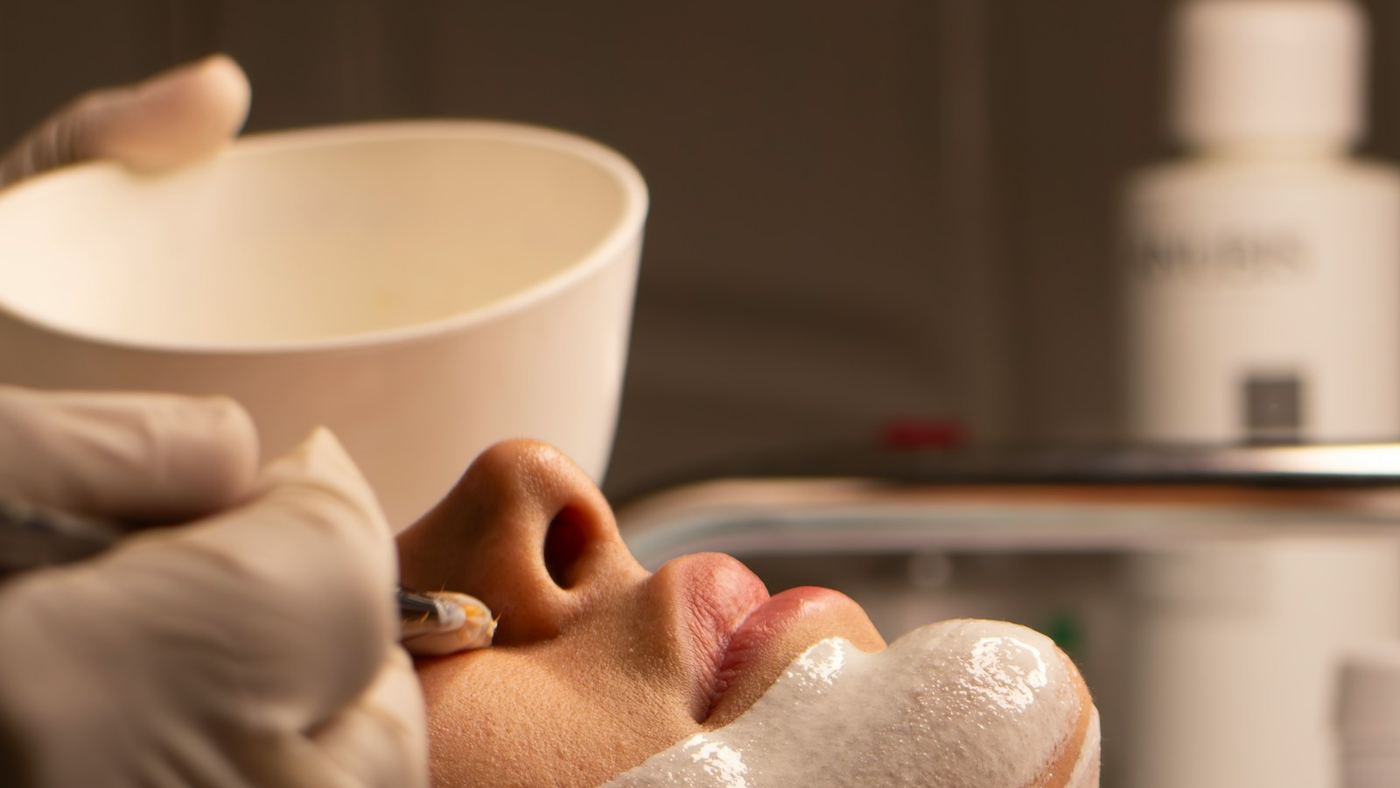
A beauty salon sells a wider spread of prices than almost any other trade. Brows, waxing, facials, lashes, a course of treatments. That variety is good for revenue and bad for a stamp card.
It also means the client who books a monthly facial is worth ten of the ones who come in for a brow tidy twice a year. A loyalty programme should know the difference. Cashback does, because it rewards what was spent.
The other lever is timing. Beauty salons have a quiet stretch midweek, and a loyalty card that knows who is due can fill it without discounting the busy days. Reducing churn covers the timing in detail.
What is actually happening?
Treatment cadences are all different, your calendar is not
Laser fails if two sessions are missed. Botox softens if the top-up is late. Facials lose their effect if the interval stretches. Only you know the schedule; nobody expects the client to.
The best clients are the quietest
The client who spends £400 a month on skincare and treatment does not complain. She just moves to a clinic closer to work and you never find out until months later.
Enquiries eat your day
"How much is a course of six?" "When is my next appointment?" "Can I move Tuesday?" A hundred messages a week, each answered manually. Time you should be spending in the treatment room.
Course sales are hard to track
A five-treatment laser course is a big commitment for the client and a big revenue line for you. When it is stored in a spreadsheet, sessions get missed, undercounted or given away. Money leaks.
Consent forms and marketing live in different systems
You are told to keep clinical records separate. That is correct, but it leaves you unable to see who came in three months ago for a peel and never returned. The system that handles retention should sit beside your consent system, not conflict with it.
What does MSTRMND do about it?
A wallet card that shows every next appointment
Facial, laser, lash, wax, injectables, each service has its own line on her card, showing when she is next due. She reads it whenever she opens her wallet.
Per-treatment reminder windows
Set the reminder cadence for every service you offer, once. Laser fires at day 42, waxing at day 21, facial at day 30. The system honours each one automatically for every client.
Course credit tracking, visible on the card
Sessions 3/6 of laser course. Session 4/5 of the Hydrafacial package. The client sees exactly what she has left, which reduces the "how many do I have?" messages to near zero.
Aftercare messages, timed to the treatment
Two hours after a peel, an aftercare message. Twenty-four hours after filler, a check-in. Automatic, personal, on brand. The small touches that turn a good clinic into an unforgettable one.
Rewards designed for treatment prices, not coffee prices
Cashback on treatment value. A free add-on after a completed course. Bring-a-friend credits worth actual money. Loyalty maths that respects the size of a beauty invoice.
A dashboard your therapists can read
Not a marketer's dashboard. Live at-risk list, top spenders this month, courses ending soon, and one recommended action per day. Everything runs on a phone in the break between treatments.
What do the numbers look like?
The return cycle for most regular treatments. Lashes and brows run shorter, facials and courses longer.
How many loyalty members near a reward accepted a marketing opt-in, against those further away. Ask for the review when they are close (Kivetz, Urminsky and Zheng, 2006).
What one lost monthly facial client costs at £120 a visit. A worked example. Use your own price list.
How do you launch it?
Map your services and their rebook windows on day one
Onboarding walks you through it. Every treatment gets a specific cadence, not a generic 30 days for everything. This one setup step is what makes the difference.
Put the QR code on the treatment room door
The client's phone is in her hand as she leaves. That is when she signs up. Not at reception, not at the till, as she walks past the room she was just treated in.
Build one course-completion reward
Finish a 5-session laser course and get a free skin consult. Finish 10 facials in a year and get a free peel. Something that raises the value of finishing over skipping.
Turn on aftercare automation before rebook automation
Aftercare messages feel like care, not marketing. They build the muscle before the rebook reminders start firing. Your reply rates on later messages will be materially higher.
Review the at-risk list every Tuesday
Fresh eyes on the salon's real problem: which clients are quietly slipping. The list is short, actionable, and improves faster than any other single dashboard view.
Frequently asked questions
Why cashback and not a stamp card for a beauty salon?
Because your prices vary by more than a third. A stamp card gives a £20 brow tidy and a £120 facial the same stamp, so the cheapest clients earn fastest and the best ones subsidise them. Cashback returns a percentage of what was paid, which is fair across the whole menu. The format guide has the full comparison.
Can I sell treatment courses or memberships through it?
Yes. A membership card bills a fixed amount monthly through Stripe and covers an agreed set of treatments. A prepaid card holds a balance the client draws down. Both turn irregular bookings into predictable revenue, and both live in the same wallet card as the loyalty balance.
How do I fill a quiet Wednesday?
Send an offer to the clients who are due, not to the whole list. The card knows who is past their usual return window. A message to that group fills the gap without discounting the people who were coming on Saturday anyway. A free add-on beats money off, because it does not reset what your prices feel like.
When should I ask for a review?
After the reward lands, not before. Research on loyalty programmes found members close to a reward were markedly more willing to say yes to a request, and the same logic applies to reviews and referrals. Timing the ask to the reward is the cheapest improvement in the whole programme.
What does a beauty salon loyalty programme cost?
From £31 a month for a single salon with up to 100 clients, and £69 for up to 1,000 across five locations with three card types. No setup fee, a 14-day free trial, and unlimited push messages on every plan. The cost guide covers the reward margin, which is the part most salons never calculate.
Live in 24 hours.
Setup takes about twenty minutes and starts with a 14-day free trial.
Book a 15-minute walkthrough See the full system