How much does a loyalty programme cost?
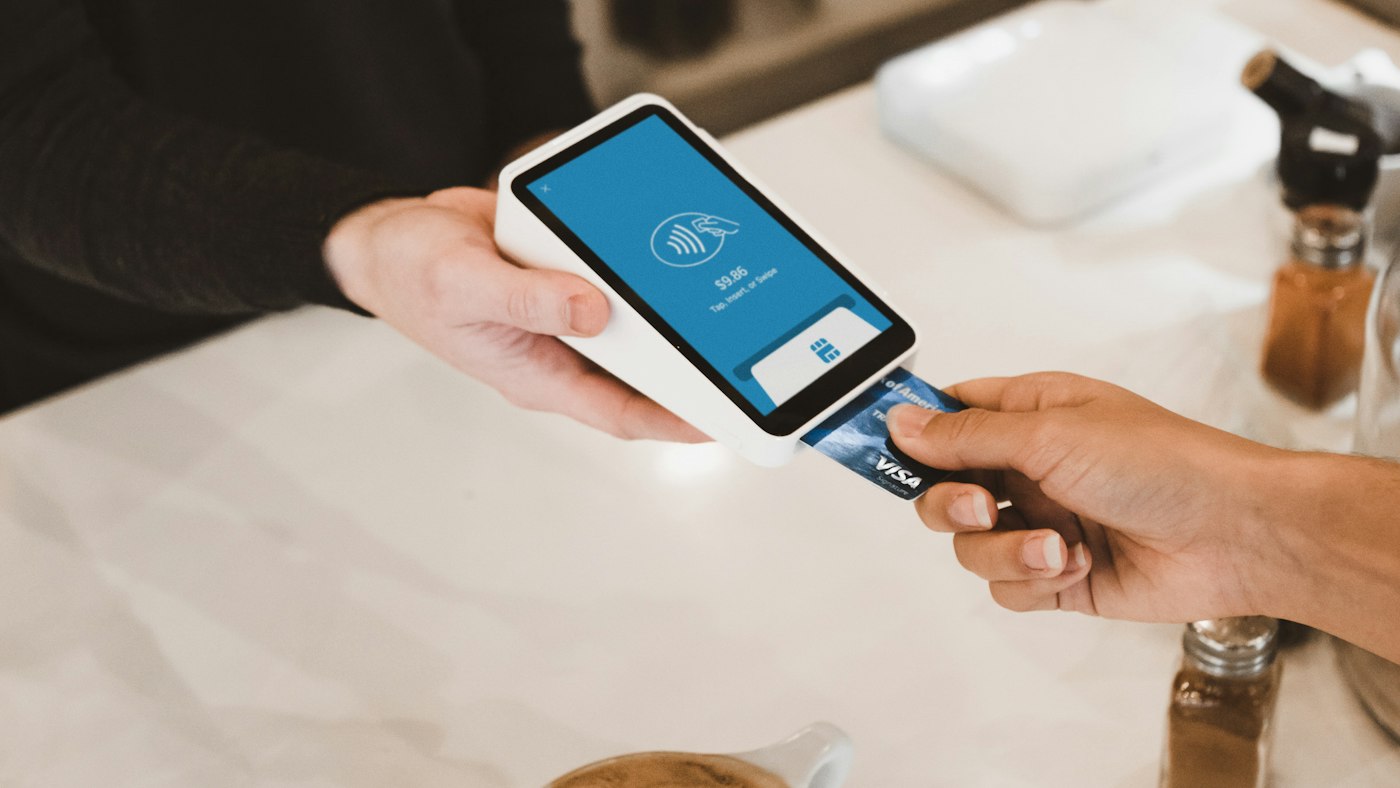
For a UK small business, a digital loyalty programme costs between £30 and £120 a month in software, plus the margin you give away in rewards. MSTRMND runs from £31/month on annual billing for a single location and up to 100 clients, £69 for up to five locations and 1,000 clients, and £115 for multi-site. There is no per-message cost. Push notifications are unlimited on every plan. The reward cost is usually the larger number, and it is the one most businesses never calculate.
How much does a loyalty programme cost in full?
Almost every "how much does loyalty cost" answer online quotes only the software. That's the small half.
| Cost | Typical range | Fixed or variable |
|---|---|---|
| Software subscription | £31–£115/mo | Fixed |
| Reward margin given away | 5–10% of loyalty-member revenue | Variable |
| Messaging (SMS-based tools) | Per message | Variable, £0 on wallet push |
| Card printing (paper programmes) | ~£40 per reprint | Recurring, and invisible |
| Setup / onboarding | £0–£89 depending on vendor | One-off |
| Staff time to run it | ~1 hour a week | Hidden but real |
Working the reward cost properly
A "buy nine, get the tenth free" card gives away one item in ten, so the headline cost looks like 10% of revenue from card-holders. It isn't. The 10% applies to the retail price but only the margin on that one item leaves the business, and only for customers who complete the card. Two adjustments most people skip:
- Completion rate. Not everyone finishes a card. Your real give-away is 10% multiplied by the share of cards actually completed, which is a number your own dashboard can tell you and a printed card never could.
- Incremental visits. The programme only costs you anything on visits that would have happened anyway. Visits it caused are pure gain, and some are caused: Kivetz, Urminsky & Zheng (2006), Journal of Marketing Research measured a 20% acceleration in buying rates as customers approached a reward in a live café stamp programme.
- The redemption moment. The same study found purchase rates fall back immediately after a reward is claimed, and that customers were most likely to defect at that point. If nothing happens after a redemption, you paid for the reward and got the churn anyway.
For scale: there are 5.7 million private-sector businesses in the UK, of which 5.64 million (99.2%) are small businesses with 0–49 employees, and 4.3 million have no employees at all besides the owner (Business population estimates 2025, gov.uk). Most loyalty pricing published online is built for the other 0.8%.
Pro tip. Compare tools on the cost of sending 2,000 messages a month, not on the headline subscription. That single number is where the real difference between platforms sits, and it is the one that grows as your programme starts working.
What the market charges
| Option | How it charges | Better if |
|---|---|---|
| MSTRMND | Flat monthly fee by plan, from £31. No per-message and no per-customer charge | You want wallet cards and unlimited push at a predictable price |
| Paper cards | Per print run, roughly £40 a time | You have under 30 regulars and no interest in marketing |
| Loyalty bundled with your till | Usually included, tied to that POS | You're replacing the till anyway |
| SMS-led loyalty tools | A subscription plus a charge per message sent | You'd rather pay per contact than per month |
The structural difference to watch is the last row. A per-message model means the cost of talking to your customers rises exactly as the programme succeeds.
Pro tip. Count only the visits the programme caused. A reward handed to somebody who was coming anyway is a discount, not a retention cost, and mixing the two is why most owners cannot say whether their scheme pays.
The break-even, plainly
At £31/month, MSTRMND pays for itself at roughly three to four extra returning customers a month for a typical service business. That is the honest bar. If your average transaction is £8 and your margin is thin, the number of extra visits needed is higher. Do that sum before you sign anything, including ours.
When a loyalty programme is not worth the money
- Under about 30 regulars. You already know them by name, and the software adds nothing you can't do in your head.
- A once-in-a-lifetime purchase. Frequency is the fuel; no frequency, no programme.
- Nobody owns it. An unrun programme costs full price and returns nothing.
Frequently asked questions
Is there a setup fee?
No. MSTRMND charges no setup fees on any plan, and every plan starts with a 14-day free trial with setup done for you.
Do I pay per customer?
No, per plan. Starter covers 100 clients, Grow 1,000. You move up a tier when you outgrow it, not per head.
Do I pay per message?
No. Push notifications are unlimited and free on every plan. This is the main cost difference against SMS-based loyalty tools.
What's the cheapest a real programme can cost?
£31/month plus your reward margin. Anything cheaper is paper, and paper cannot tell you who stopped coming.
Sources
- Kivetz, R., Urminsky, O. & Zheng, Y. (2006). The Goal-Gradient Hypothesis Resurrected. Journal of Marketing Research 43(1), 39–58. Full paper (columbia.edu)
- Department for Business and Trade, Business population estimates 2025. Statistical release (gov.uk)