How does a café loyalty card work?
A café loyalty card sits in the customer's phone wallet, gets stamped by a three-second scan at the till, and completes in about two weeks on a daily coffee habit. Push messages to card holders cost nothing, which makes it work on thin margins.
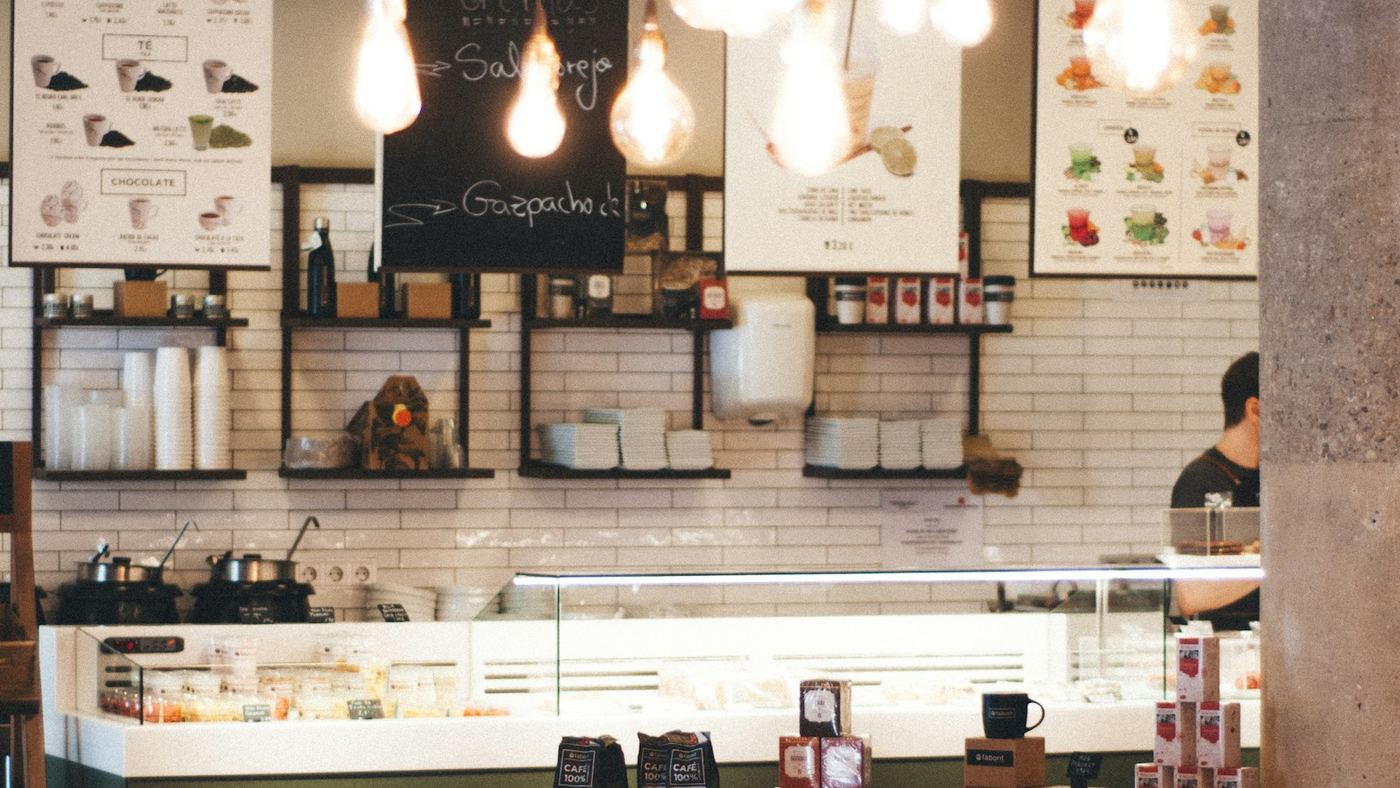
Coffee is the most frequent retail purchase most people make. Daily, or close to it. That means a stamp card finishes in under two weeks, which is the fastest reward loop of any trade.
It also means the margin per stamp is thin. A loyalty programme for a café has to be nearly free to run, or it eats the very gain it creates. This is why per-message tools fail here, and why wallet push notifications, which cost nothing per send, are the right fit. The reasoning is laid out in how to choose a loyalty app.
The other thing a café cannot tolerate is a slow counter. The 8:15am queue does not wait for a thirty-second ritual. A wallet card scan takes about three seconds. The mechanics are in how a digital loyalty card works.
What is actually happening?
You know his face, not his name
He has come in every morning for a year, then vanishes. You do not even know if he moved, changed job, or just found a place closer to work. You have no way to reach out.
Paper stamp cards get lost
Half your customers threw them away. The other half lose them. You are paying for printing you cannot connect to any customer.
You cannot tell what actually brings them back
The free coffee? The Instagram post? The window sign? Nothing is measured, so nothing improves.
Peak hours hide the drift
The lunch rush feels like everything is fine. It also masks the fact that Tuesday morning trade has quietly halved because half your morning regulars stopped coming.
Delivery apps trained customers away from you
Deliveroo and Uber Eats put your brand behind their brand. Every regular you serve on the app is a regular they own, not you. A direct loyalty relationship is the only way to buy that back.
What does MSTRMND do about it?
A branded card in their phone, no app
Your café's logo and colours, added to Apple Wallet or Google Wallet by scanning one QR code at the till. Fifteen seconds. Nothing to download.
Every visit and average spend recorded
You end up with a real ranking of your best customers by lifetime value. Filter by daypart, by product, by day of week. The insight is usable in a way a stamp card can never be.
Auto-win-back when a daily regular skips a week
"We've missed you, coffee is on us today" fired automatically to a client who came in every day and has skipped ten days. Highest-converting message in the entire platform.
Rewards designed for your economics
Tenth coffee free. £5 credit at the six-visit mark. A free pastry after twenty. Set the numbers once; MSTRMND applies them consistently.
Segment by daypart, item, or spend
Send morning regulars a breakfast offer. Send weekend brunch spenders a Sunday message. Never spam everyone with the same message; that is what turns a loyalty programme into an unsubscribe list.
A dashboard designed for someone running the floor
Live at-risk count, this-week revenue vs. Last week, top ten regulars, one recommended action. Runs on a phone during a slow moment.
What do the numbers look like?
What a wallet card scan adds to a transaction at the till. A customer opening an app adds fifteen to twenty-five.
How long a coffee card took to complete when handed over with two free stamps, against a plain card requiring the same ten purchases (Kivetz, Urminsky and Zheng, Journal of Marketing Research, 2006).
What a push notification to card holders costs, on every plan. Compare that against the per-message rate of an SMS tool at 2,000 sends a month.
How do you launch it?
QR code on the till, and only the till
Not on the wall, not on the door. At the till. The phone is out for payment; the sign-up happens in the same motion.
Set the first reward at coffee ten, not coffee twenty
Ten is a fortnight for a daily customer. That is reachable and it teaches them the mechanic. Twenty feels like a stunt.
Train the team to say one sentence at the till
"Scan this to save your visits, tenth coffee is on us." That is the entire script. Written on the till in marker for the first week.
Turn on win-back automation in week two
First week, let sign-ups accumulate. Second week, switch on the automatic message that fires to a daily regular who has skipped seven days. This is where the return on the whole thing shows up.
Read one number on Monday: at-risk regulars
Every Monday, glance at the dashboard. Anyone showing as at-risk gets an automatic message; you never have to do anything but read the number and adjust the tone if it slips.
Frequently asked questions
Should a café use a stamp card or cashback?
A stamp card for the coffee, where the price is flat and the habit is daily. If you also sell retail bags, brunch or a wide food menu, add a cashback card for that side of the business. Two cards is understandable to a customer. Four is a filing system. The format guide covers where each fits.
How many stamps should a coffee card need?
Nine, with the tenth free. That completes in about two working weeks on a daily habit, which is fast enough to feel winnable. Stretching to twelve to protect margin is a false economy, because a card that stops feeling winnable stops getting scanned, and an unscanned card tells you nothing about who has drifted.
Does it work without a specific till system?
Yes. Staff scan with an app on any phone or tablet. It does not need to be wired into the POS. Some cafés keep a tablet by the machine, others use the barista's phone. Either way the stamp lands in about three seconds and nothing about the till changes.
Can two cafés under one owner share a programme?
Yes. The Grow plan covers up to five locations under one account, with a single customer list and location-triggered push at each site. A card earned at one café is honoured at the others, which is exactly what a customer expects from the same brand.
What does a café loyalty programme cost?
From £31 a month for one café and up to 100 customers, with unlimited push messages, no setup fee and a 14-day free trial. On café margins that is roughly three or four extra returning customers a month. The cost guide works through the reward side, which is where the real cost sits.
Live in 24 hours.
Setup takes about twenty minutes and starts with a 14-day free trial.
Book a 15-minute walkthrough See the full system